
Kettlebell Side Bend
 Auto Detected
A standing core isolation exercise using a kettlebell to target the obliques and improve lateral stability; commonly used to build core strength and correct asymmetries.
About Exercise
Equipment
Kettlebell
Difficulty
2/5 • Beginner
Primary Muscle Groups
Obliques
Secondary Muscles
Abs, Lower Back, Forearms
Popularity Score
6
Goals
Training Style
Setup Requirements
Requires Rack
No
Requires Bench
No
Requires Spotter
No
Space Needed
Small
Noise Level
Low
Muscle Breakdown
View Muscle MapObliques
10/10External Obliques, Internal Obliques
Abs
5/10Rectus Abdominis, Transverse Abdominis
Lower Back
4/10Erector Spinae
Forearms
3/10Flexors
Programming
Typical Rep Range
10-20 reps
Rest Between Sets
30-60 seconds
How to Perform
Stand with feet shoulder-width apart, holding a kettlebell in one hand at your side with palm facing inward; place the other hand behind your head or on your hip.
- Brace your core and maintain a neutral spine.
- Slowly bend laterally toward the weighted side, lowering the kettlebell down your leg.
- Pause briefly at the bottom when you feel a stretch in the opposite oblique.
- Contract the opposite obliques to pull your torso back to the starting upright position.
- Complete all reps on one side before switching to the other.
Coaching Tips
Form Cues
- Move only at waist
- Keep hips stable
- Shoulders square
- Control the descent
- Squeeze to rise
Breathing
Inhale as you lower the kettlebell down the side, and exhale as you contract the obliques to return to upright.
Tempo
3-1-1
Range of Motion
Lower the weight until it reaches near knee height or a comfortable stretch is felt; return to a neutral standing position without over-bending the other way.
Safety
Safety Notes
- Avoid if you have acute lower back pain
- Do not use excessive weight that compromises form
- Keep the movement strictly in the frontal plane
Spotting
Not recommended; use a weight you can control independently.
Common Mistakes
- Leaning forward or backward
- Using momentum to swing
- Moving the hips laterally
- Hyperextending at the top
When to Avoid
- Acute lower back pain
- Spinal disc issues
- Recent abdominal surgery
Flexibility Needed
- Adequate spinal lateral flexion
- Shoulder mobility for hand position
Build Up First
- Basic standing posture
- Core bracing technique
Also known as
Weighted Side Bend, KB Side Bend, Standing Side Bend, Oblique Side Bend
Found this helpful?
Share your thoughts or help us improve this guide.
Similar Exercises
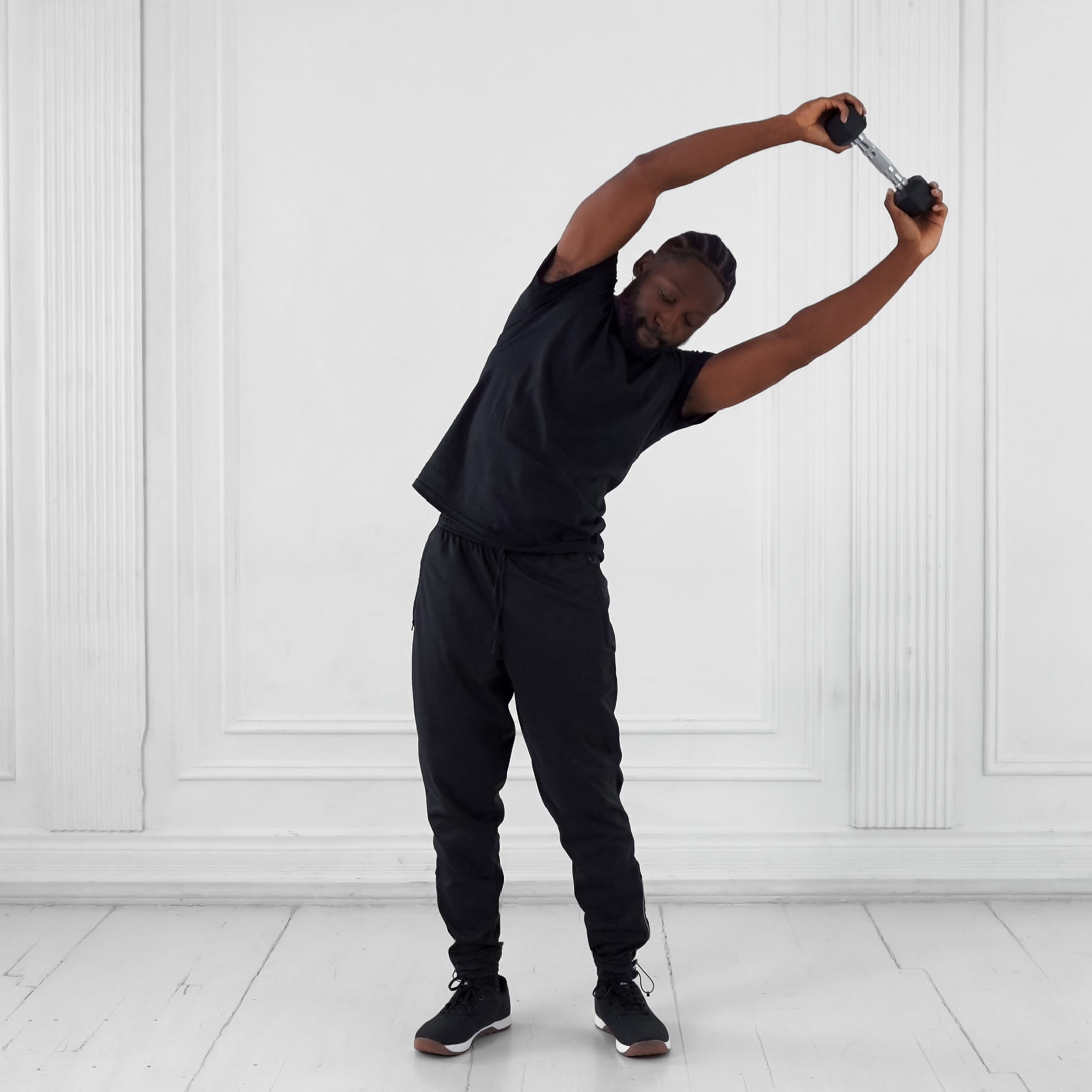
Kettlebell Overhead Side Bend
Kettlebell
Obliques

Kettlebell Seated Side Bend
Kettlebell, Flat Bench
Obliques
Kettlebell Sidewinder
Kettlebell
Obliques, Abs
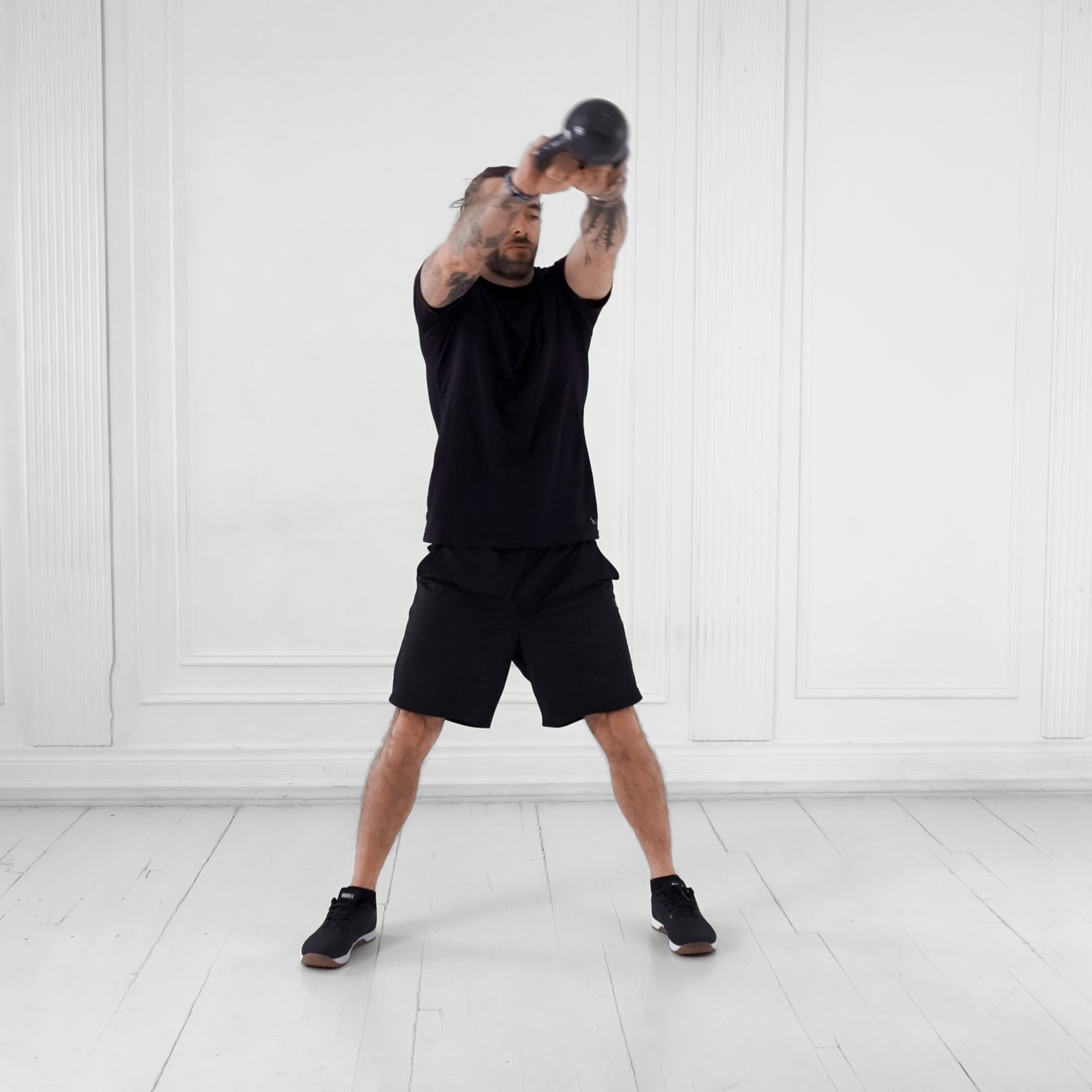
Kettlebell Crossbody Swing
Kettlebell
Glutes, Hamstrings
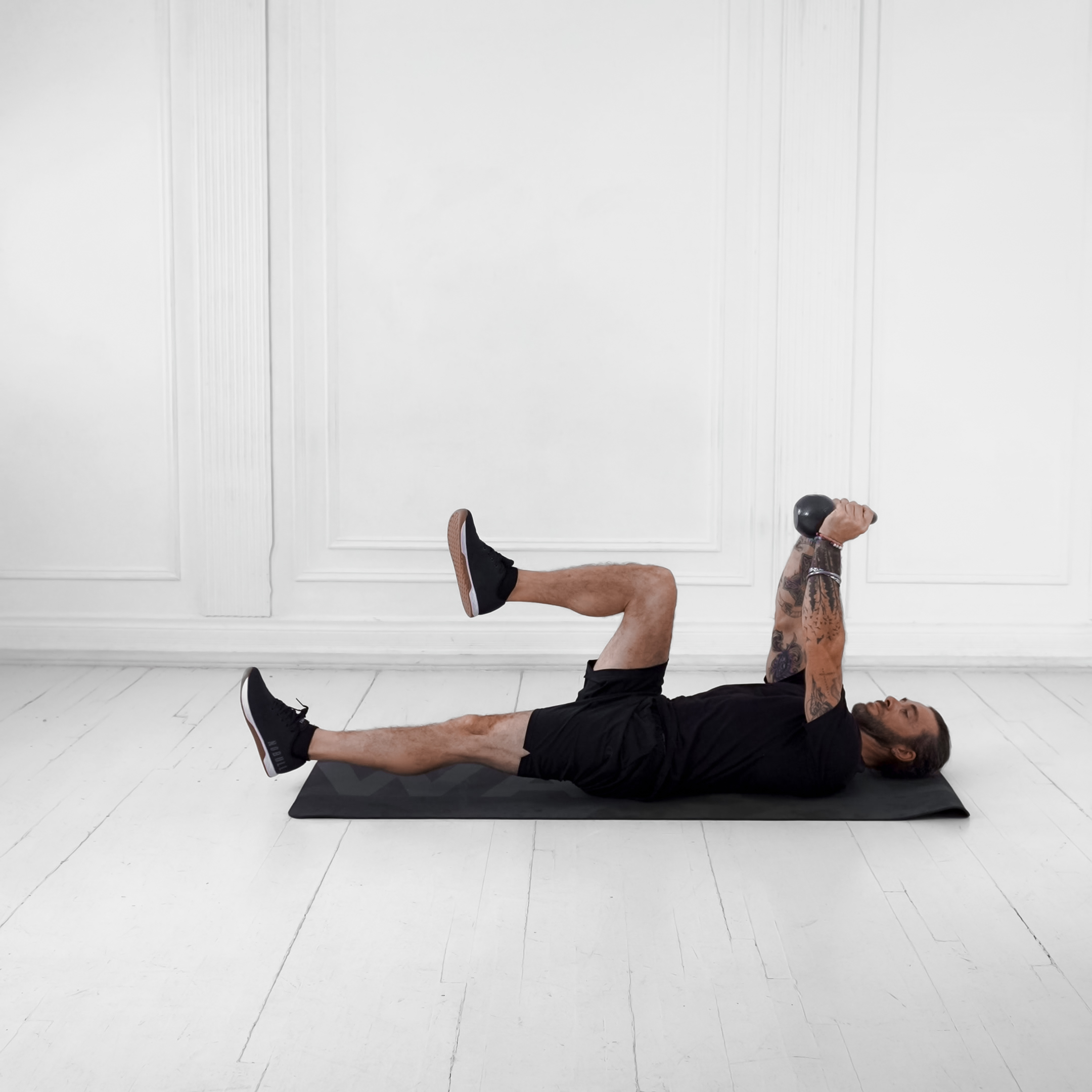
Kettlebell Dead Bug
Kettlebell
Abs, Obliques
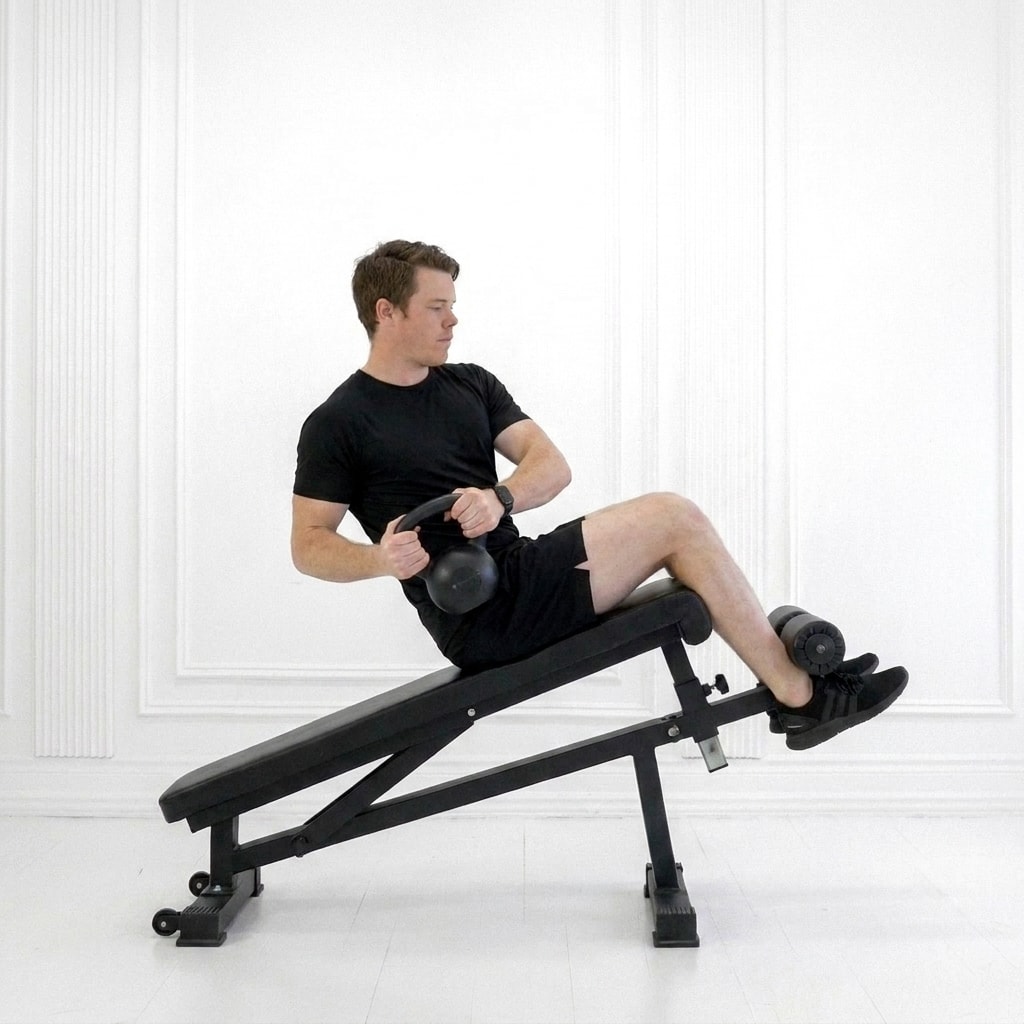
Kettlebell Decline Sit-Up with Twist
Kettlebell, Decline Bench
Abs, Obliques
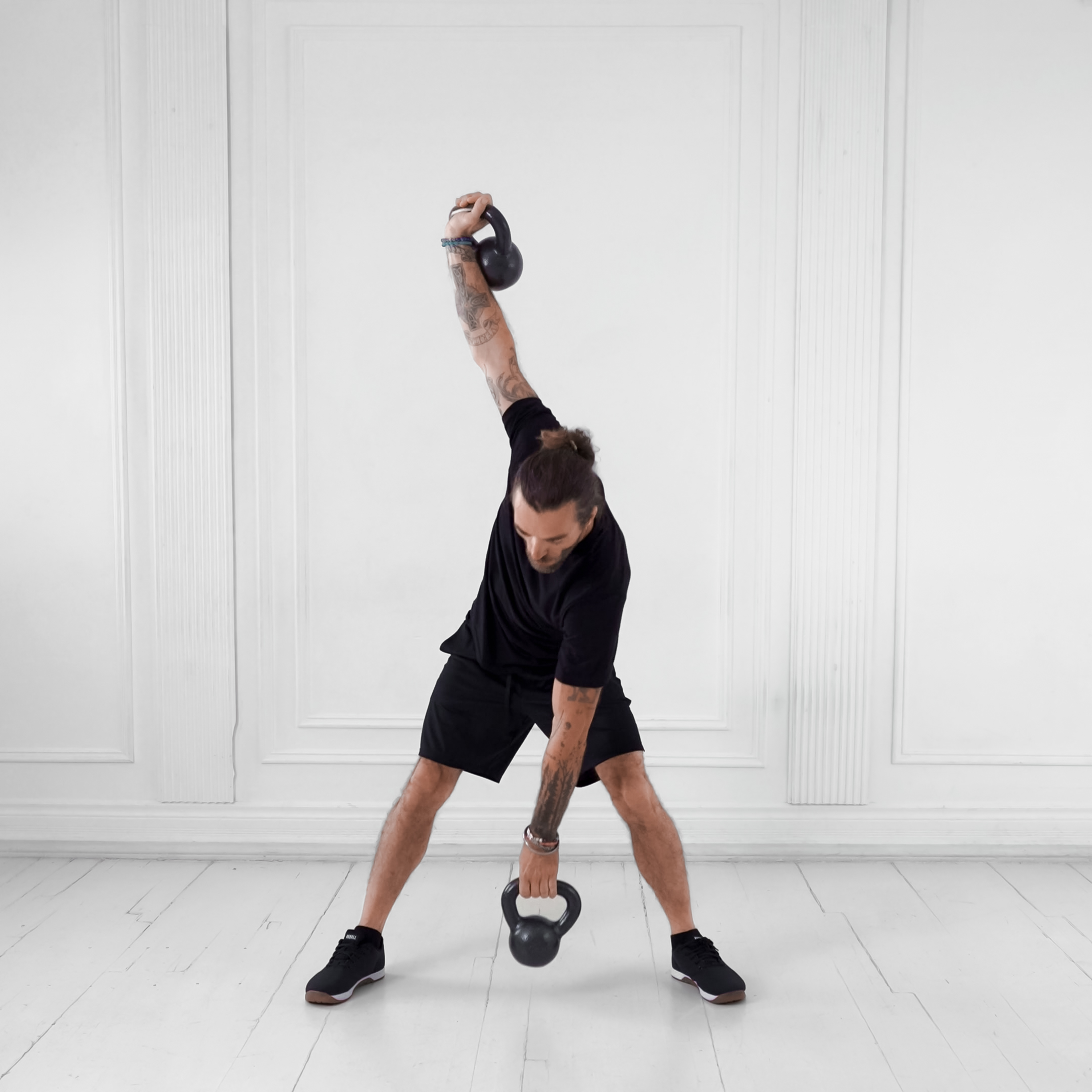
Kettlebell Double Windmill
Kettlebell
Obliques, Abs
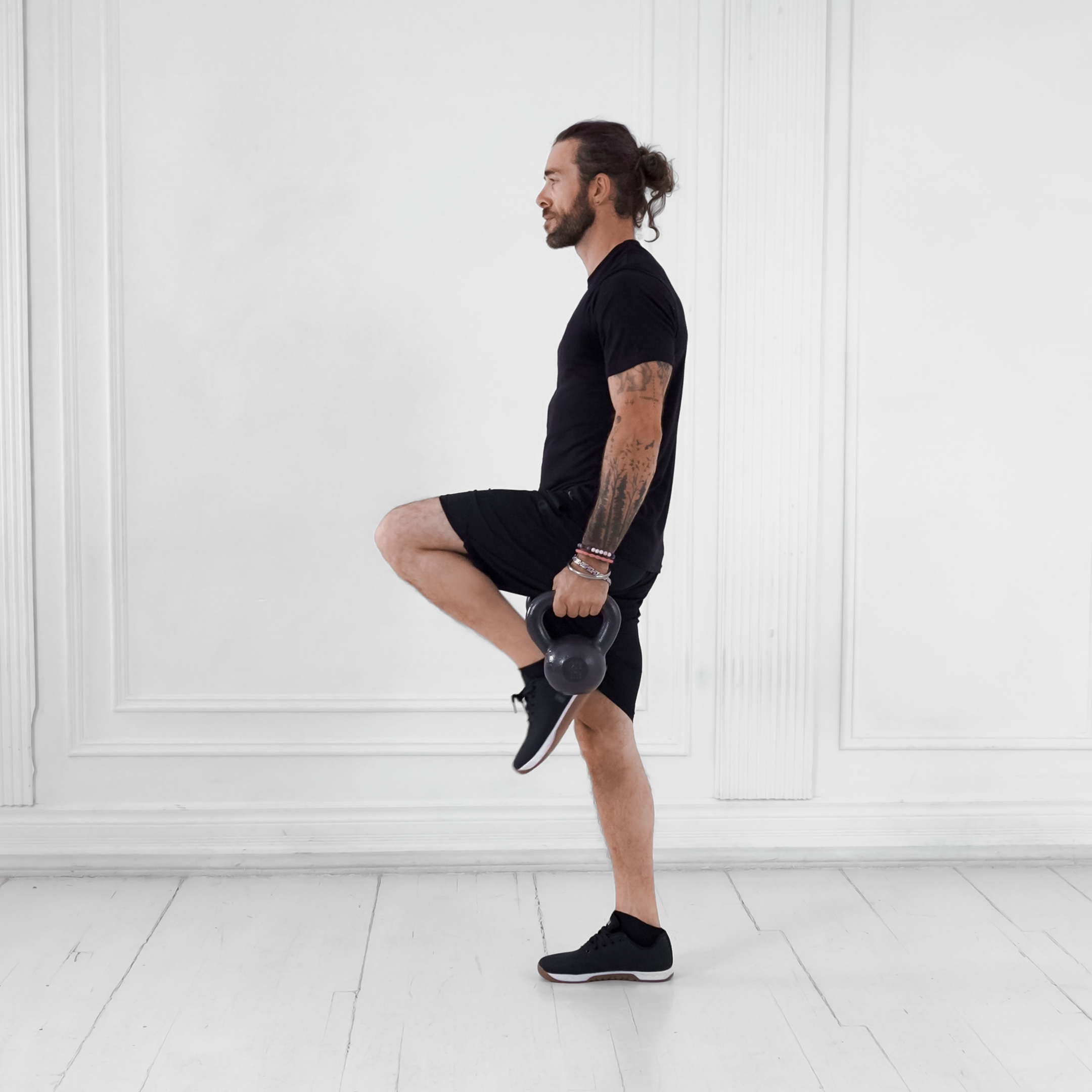
Kettlebell Farmer's March
Kettlebell
Forearms, Obliques
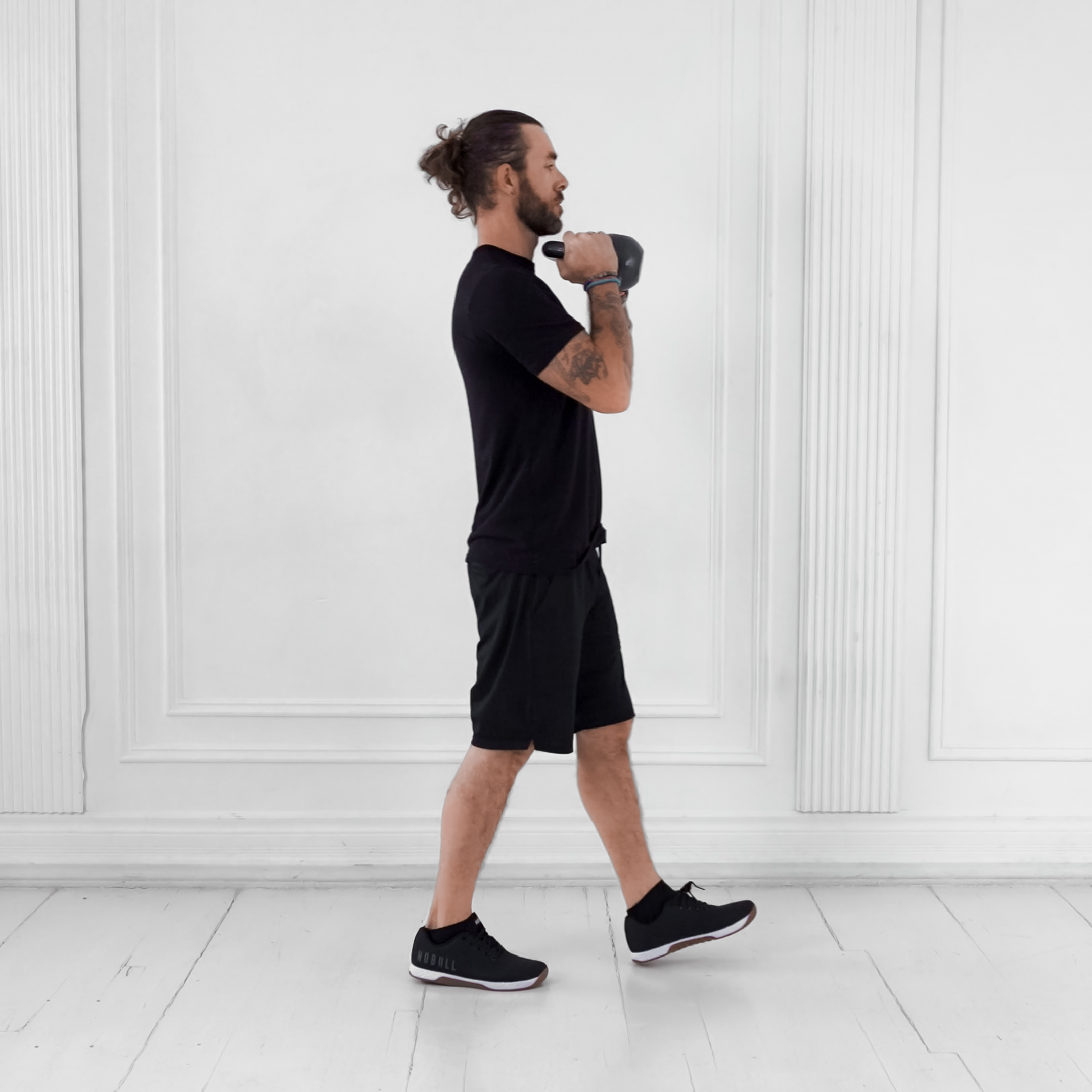
Kettlebell Goblet Carry
Kettlebell
Abs, Obliques
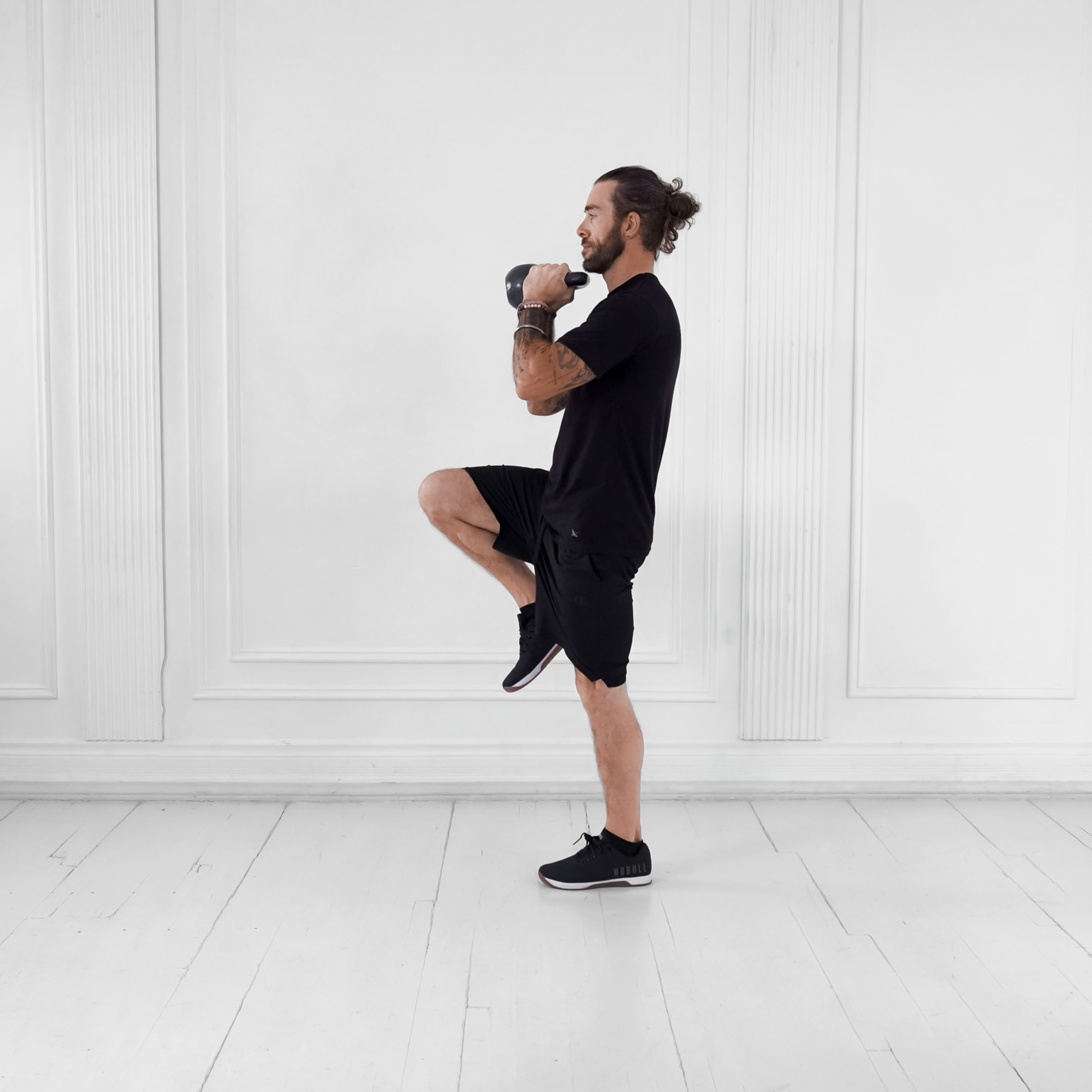
Kettlebell Goblet March
Kettlebell
Abs, Obliques
Master your movement.
Experience automatic exercise detection and rep counting - powered by the motion of your Apple Watch.


subscribe to our newsletter
 Product
Find Us
130 Spadina Avenue, Toronto,
Ontario, M5V 0H4, Canada
©2026 All Rights Reserved
